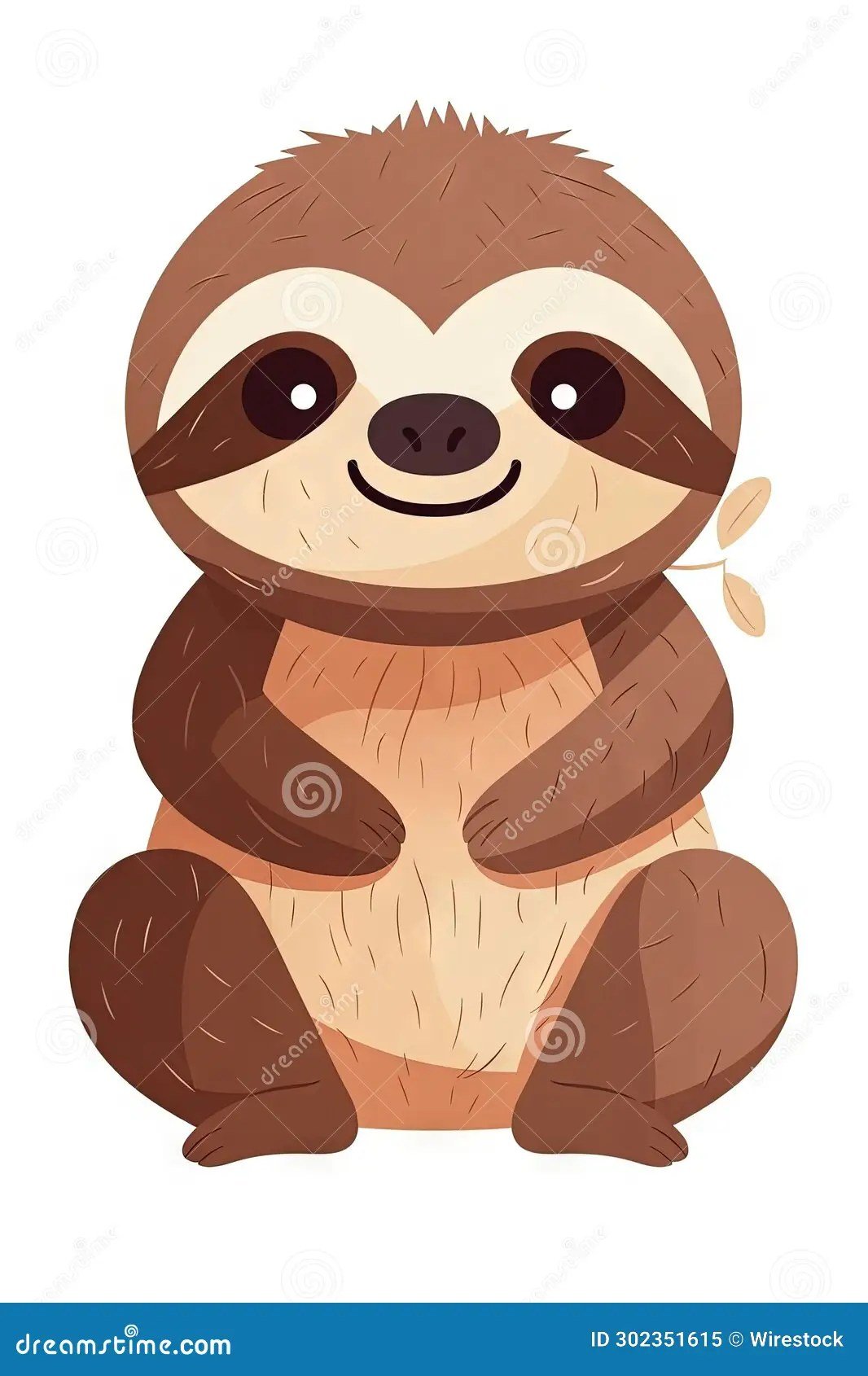
The world, it seems, just can't get enough of sloths. Not the often-misunderstood, algae-covered creatures of the rainforest canopy, but their animated counterparts – the ones who smile endlessly, move at a delightfully deliberate pace, and embody a serene charm rarely found in our fast-paced lives. From viral internet sensations to beloved movie characters, Cartoon Sloths in Fandom & Pop Culture have staged an unexpected, yet utterly charming, takeover of our hearts and screens.
But how did these naturally languid animals go from obscure wildlife to internet darlings and merchandising goldmines? It's a fascinating journey, propelled by viral moments, celebrity endorsements, and the dedicated work of passionate conservationists.
At a Glance: The Sloth's Slow Climb to Stardom
- A Surprising Transformation: Sloths weren't always seen as cute; early depictions were often scary or goofy, not huggable.
- The Internet Ignition: Viral videos and celebrity endorsements, particularly Kristen Bell's famous encounter, dramatically shifted public perception.
- The Power of Advocacy: Zoologists like Lucy Cooke have strategically leveraged the sloth's newfound popularity to drive crucial conservation efforts.
- Beyond Cuteness: Sloths offer a powerful message about slowing down in a hyper-connected world, resonating deeply with fans.
- Fandom Flourishes: From animated films to merchandise and memes, cartoon sloths have carved out a significant niche in pop culture.
From Forest Floor to Fandom Favorite: How Sloths Became Superstars
For much of history, sloths were, to put it mildly, misunderstood. Their name itself, derived from one of the seven deadly sins, hardly conjured images of cuddly appeal. Early popular culture often mirrored this perception. Think back to a popular children's movie in 1985 that depicted a distinctly scary-looking sloth, a far cry from today's adorable avatars. Even the Ice Age movies, kicking off in 2002, introduced us to Sid, a prehistoric ground sloth voiced by John Leguizamo. While Sid was a central, often hilarious character, he wasn't exactly designed for snuggles. He was the lovable buffoon, not the emblem of serene cuteness we now associate with his species.
The tide, however, began to turn. And as with many modern phenomena, the internet played a pivotal role.
The Viral Spark: YouTube, Kristen Bell, and The Croods
The year 2011 proved to be a watershed moment for slothkind. In May, a simple YouTube clip of a sloth crossing a road, set to R. Kelly’s "I Believe I Can Fly," went viral, racking up over 7 million views. It was a revelation for many: these slow-moving creatures possessed a strange, almost ethereal charm. Their deliberate movements became mesmerizing, even endearing.
Then came January 2012, and with it, a pop culture earthquake. Actress Kristen Bell appeared on Ellen DeGeneres' talk show and, in a now-legendary segment, tearfully recounted her profound love for sloths. Her enthusiastic, almost evangelical, passion for their cuteness struck a chord with millions. It was an unfiltered, authentic outpouring of affection that made sloths relatable and, crucially, adorable. The world collectively gasped, "Wait, sloths are cute?!"
This groundswell of positive public sentiment wasn't lost on animators. The animated film The Croods, released shortly after, featured a cuddly pet sloth named Belt, who became an instant fan favorite. Belt wasn't just a background character; he was a companion, a tool-wielder, and utterly endearing, solidifying the sloth's image as a lovable, huggable presence in children's entertainment. Suddenly, sloths weren't just animals; they were characters ready for their close-up, ready to explore the broader world of cartoon sloths.
The Architect of Adorableness: Lucy Cooke's Strategic Charm Offensive
While viral moments ignite trends, sustained fascination often requires dedicated advocates. Enter Lucy Cooke, a zoologist, author, and the founder of the Sloth Appreciation Society. Cooke's mission has been singular: to fundamentally change the sloth's image from a sluggish, sin-named creature to a charismatic megafauna worthy of our attention and, more importantly, our conservation efforts.
Cooke pinpoints "Sloth Lift-Off," considered day one in cute-sloth history, to 2010 after a transformative visit to a sloth sanctuary. She understood that while the internet was crucial, scientific understanding and myth-busting were equally vital. Her book, A Little Book of Sloth, further cemented this reframing, offering delightful insights into their true nature.
Debunking Myths: What Makes a Sloth So Special?
Cooke and her fellow sloth enthusiasts have tirelessly worked to dispel common misconceptions:
- Friendly by Nature: Particularly the three-fingered variety, sloths are naturally gentle and friendly, a far cry from fearsome jungle beasts.
- Built for Hugs: Physiologically, with their long limbs and slow movements, sloths are almost perfectly designed for hugging—or at least, for appearing incredibly huggable.
- Smarter Than You Think: Their slow pace often gets mistaken for a lack of intelligence, but sloths are surprisingly adaptable and resourceful within their arboreal world.
- Unique Habits: From going to the bathroom only once a week (a perilous journey to the forest floor) to their famously brief mating sessions (around six seconds), sloths possess eccentricities that only add to their charm.
This shift in perception, driven by both genuine adoration and scientific revelation, allowed cartoonists to lean into these endearing qualities, creating characters that resonate deeply with audiences.
The Noble Goal: Conservation Through Cuteness
For Lucy Cooke, the cuteness factor isn't just about feel-good stories; it's a strategic imperative. She articulates a crucial, if somewhat unsettling, truth about conservation: it's subject to the "vagaries of fashion." Popular animals, often termed "charismatic megafauna," receive disproportionately more funding—up to 500 times more—for their conservation than less "photogenic" endangered species.
By transforming the sloth into a beloved pop culture icon, Cooke and her allies are directly funneling attention and resources to protect these unique creatures and their shrinking habitats. When you see a cute cartoon sloth, you're not just enjoying a laugh; you're indirectly contributing to a broader movement that safeguards biodiversity. The power of a universally adored image, like a cartoon sloth, can be immense in securing the future of its real-life counterpart.
Why We Fell in Love: Unpacking the Allure of Cartoon Sloths
So, beyond the viral videos and expert advocacy, what is it about cartoon sloths that captivates us so deeply? Their appeal is multifaceted, tapping into several psychological and cultural touchpoints.
The Charm of the Chill: Embracing Slowness
In a world that constantly demands speed, efficiency, and instant gratification, the cartoon sloth offers a radical counter-narrative. They move at their own pace, unburdened by urgency or anxiety. This inherent "chill" factor is incredibly appealing. We project onto them a sense of calm and contentment that many of us crave in our own hectic lives. They embody a serene defiance against the rat race, making them deeply relatable symbols of self-care and mindfulness.
Innocent and Unthreatening: A Safe Presence
Cartoon sloths are almost universally depicted as gentle, harmless, and perpetually smiling. Their slow movements mean they pose no threat, making them inherently safe and approachable, especially for children. This innocence makes them perfect characters for conveying messages of friendship, patience, and kindness. They are the ultimate non-threatening companion, a comforting presence in animated worlds.
Exaggerated Features: The Art of Adorableness
Animators are masters at identifying and exaggerating key features to amplify cuteness. For sloths, this means focusing on their large, often doe-like eyes, their perpetual "smile," and their long, soft-looking fur. Their slow, deliberate gestures become a source of gentle comedy or heartwarming sincerity. They can perform simple actions—like a slow high-five or an even slower blink—and elicit disproportionate joy. This exaggeration enhances their inherent charm, turning natural traits into visual shorthand for endearing personality.
Beyond the Screen: Sloth Fandom and Merchandise Mania
The ascent of cartoon sloths hasn't stopped at movies and talk shows; it has spawned a vibrant ecosystem of fandom and commerce. From digital content to physical products, sloths are everywhere.
The Reign of Sloth Memes and Gifs
The internet, which first catapulted sloths to fame, continues to be a hotbed of sloth appreciation. Sloth memes and GIFs abound, often juxtaposing their slow nature with ironically fast-paced captions or situations. They become relatable avatars for procrastinators, for those yearning for a nap, or simply for conveying a mood of serene indifference. This digital ubiquity keeps sloths top-of-mind and constantly reinforces their cultural relevance.
Merchandise: Sloths You Can Hug (or Wear, or Drink From)
Walk into almost any gift shop or browse online, and you're likely to find a plethora of sloth-themed merchandise. Plush toys, t-shirts, coffee mugs, stationery, phone cases – the list goes on. These items allow fans to express their adoration for sloths and integrate a piece of their laid-back charm into their daily lives. The commercial success of sloth merchandise is a testament to their enduring appeal and their ability to transcend niche animal interest to become a broad cultural phenomenon. It proves that a cartoon sloth isn't just a character; it's a lifestyle statement.
Fan Art and Online Communities
Dedicated online communities and fan art platforms are brimming with creative interpretations of cartoon sloths. Artists reimagine them in various styles, situations, and crossover scenarios. These communities provide spaces for fans to share their love, celebrate their favorite sloth characters, and explore the diverse ways these gentle creatures inspire creativity. It's a testament to how deeply the image of the cartoon sloth has permeated popular imagination.
Navigating the Hype: Responsible Fandom and Real-World Impact
While the explosion of cartoon sloth popularity is overwhelmingly positive for conservation, it's essential for fans to maintain a responsible and informed perspective.
The Real Sloth vs. The Cartoon Sloth
It's crucial to remember that cartoon sloths, however endearing, are highly idealized versions of their real-life counterparts. Real sloths are wild animals with specific needs and behaviors. They are not pets, and attempting to interact with them in the wild as one might a cartoon character can cause stress or harm. Responsible fandom means appreciating the animated versions while respecting the wild ones.
Supporting Ethical Conservation
The "charismatic megafauna" effect driven by Lucy Cooke's work means that many organizations are now dedicated to sloth conservation. As fans, you have the power to direct your enthusiasm towards ethical causes. Look for reputable charities and sanctuaries that prioritize the welfare of sloths and the protection of their natural habitats. Be wary of tourist attractions that exploit sloths for photo opportunities, as these often contribute to animal trafficking and cruelty.
A Message for Humanity: Slow Down
Beyond fundraising, Cooke believes sloths offer a vital message for humans: "to slow down." In a world obsessed with productivity and speed, the sloth reminds us of the value of patience, presence, and simply being. Their unhurried existence challenges our assumptions about what constitutes a "successful" life and encourages us to find peace in a more deliberate pace. This philosophical underpinning adds a layer of depth to their cartoon charm, making them not just cute characters, but gentle gurus.
Common Questions About Our Favorite Slow Friends
The surge in sloth popularity has naturally led to many questions. Here are some quick answers to clear up common queries:
- Are sloths really that slow? Yes, astonishingly so! Their metabolism is incredibly low, and they move at a fraction of the speed of most mammals. This isn't laziness, but an energy-saving adaptation.
- Do sloths actually smile all the time? Three-fingered sloths have a facial structure that gives them the appearance of a perpetual gentle smile, a trait animators love to emphasize. Two-fingered sloths have a less "smiley" look.
- Are all sloths friendly like cartoons? Wild sloths are generally docile and non-aggressive. However, they are still wild animals and should be observed from a respectful distance. Three-fingered sloths tend to be more naturally calm and tolerant of human presence than two-fingered ones.
- What's the difference between two-toed and three-toed sloths? Beyond the number of digits on their front limbs, they belong to different families. Three-toed sloths eat only leaves, are slower, and have that "smiley" face. Two-toed sloths have a more varied diet, move a bit faster, and look more like fuzzy bears. Cartoon sloths often blend characteristics of both, but lean heavily on the "smiley" three-toed look.
Embracing the Sloth Life: A Call to Slow Down
The journey of Cartoon Sloths in Fandom & Pop Culture is more than just a passing trend; it's a testament to the unexpected power of charm, advocacy, and the internet. These once-maligned creatures have become symbols of everything we yearn for in a chaotic world: calm, gentleness, and an unapologetic embrace of a slower pace.
As you continue to enjoy the delightful antics of animated sloths, remember the real impact their popularity has. Support ethical conservation, educate yourself about their true nature, and perhaps, take a cue from their serene existence. In a world that constantly tells us to speed up, maybe the wisest thing we can do is sometimes just... slow down. Dive deeper into the endearing world of cartoon sloths and discover why their quiet charm continues to resonate with so many.