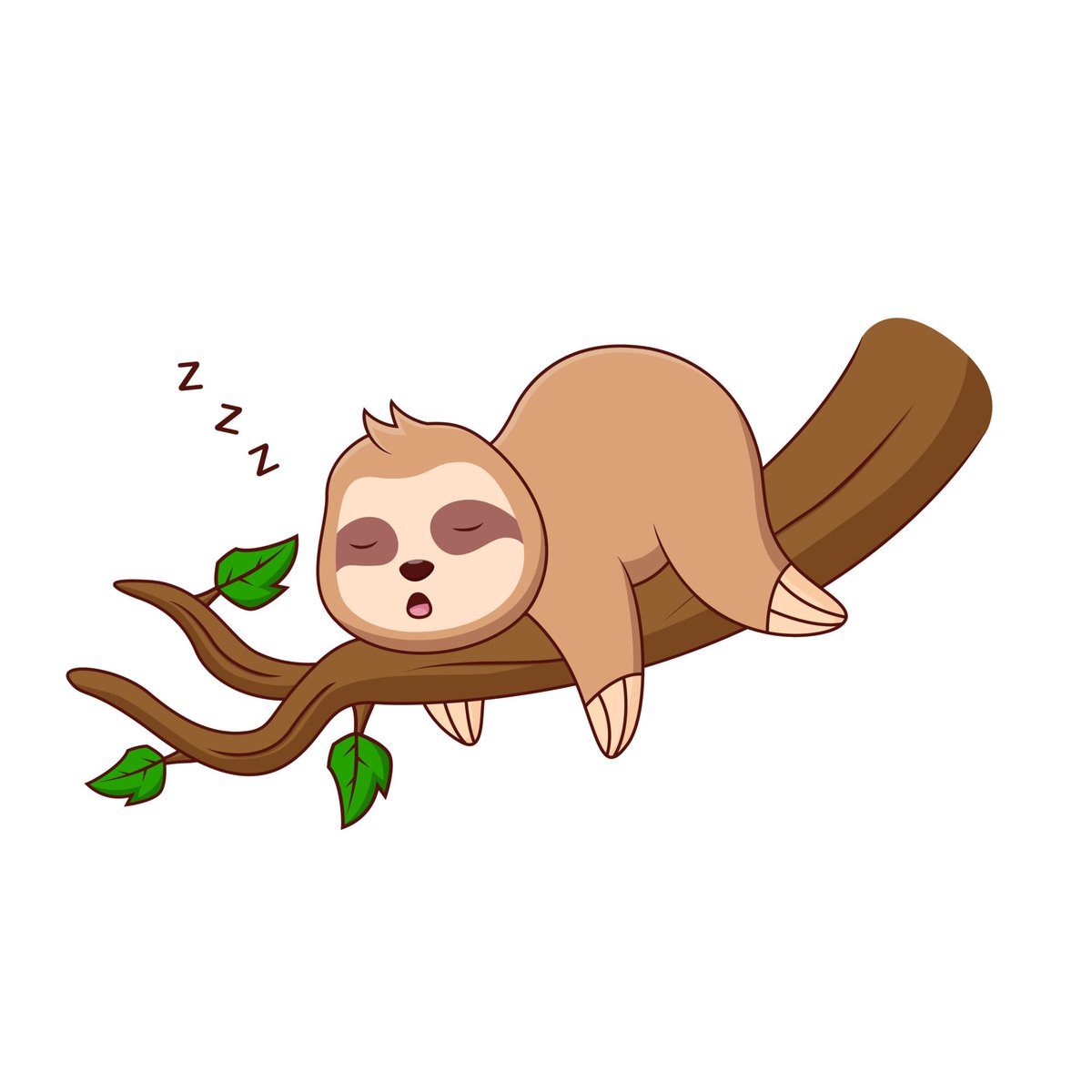
There’s something undeniably captivating about cartoon sloths. They blend an inherent, almost serene goofiness with a distinctive visual appeal that makes them stand out in the crowded world of animated characters. From the languid movements to their perpetually content expressions, The Art & Design of Cartoon Sloths isn't just about drawing a slow-moving creature; it's about distilling a complex personality into an endearing, often hilarious, visual narrative.
It's a testament to good design that these slow-pokes have become pop culture darlings, gracing everything from children's books and animated features to countless stock illustrations (a quick search on platforms like iStockPhoto or Vecteezy reveals thousands of delightful examples). But what exactly makes a cartoon sloth tick visually? What design choices elevate them from mere animals to memorable characters? Let's dive deep into the delightful world of these arboreal icons.
At a Glance: Crafting the Perfect Cartoon Sloth
- Exaggeration is Key: Focus on distinctive features like long claws, sleepy eyes, and a wide, gentle smile.
- Embrace Slowness: Design poses and expressions that convey their unhurried nature, not just a static image.
- Soft & Rounded Shapes: Contribute to their cuddly, harmless appeal. Sharp angles are rare.
- Expressive Faces: Even with limited movement, the eyes and mouth communicate a wealth of emotion.
- Color Palettes: Often earthy tones, but vibrant, unexpected colors can add whimsy.
- Context Matters: Place sloths in environments that highlight their unique charm or comedic timing.
Why Sloths? Unpacking Their Inherent Appeal
Before we pick up our digital pens, it’s crucial to understand why sloths resonate so strongly. They embody a unique blend of traits that lend themselves perfectly to cartooning:
- Relatability in a Fast-Paced World: Sloths move at their own pace, a stark contrast to our hurried lives. This offers a comedic reflection of our desires for calm, or simply a laugh at the absurdity of their unhurried existence.
- Innocence and Gentleness: Their slow movements and often "sleepy" eyes give them an aura of harmlessness. They rarely appear threatening, making them ideal for family-friendly content.
- Distinctive Physicality: Long limbs, hooked claws, a perpetually relaxed posture, and often a broad, almost smiling mouth provide a wealth of design opportunities for exaggeration.
- Inherent Humor: The juxtaposition of their slowness with urgent situations is a comedic goldmine. Think of Flash from Zootopia – a masterclass in sloth-based humor.
Understanding these foundational aspects helps artists tap into the core appeal before even a single line is drawn. It's about capturing the essence of "sloth" in a way that viewers instantly recognize and adore.
Deconstructing the Sloth Silhouette: Shape Language and Proportions
The very first step in character design often involves simplifying a creature into basic shapes. For cartoon sloths, this usually means a heavy reliance on soft, rounded forms.
- The Body: Typically rendered as a plump, oval, or pear shape. This conveys a sense of comfort and a slightly "lazy" demeanor. Avoid sharp, angular bodies; they contradict the sloth's natural softness.
- The Limbs: Long, almost noodle-like arms and legs are a hallmark. These emphasize their arboreal lifestyle and give artists plenty of room for expressive poses – often drooping or stretched. The length also creates a charming disproportion that's common in cartoons.
- The Head: Usually a round or slightly oval shape, often appearing disproportionately large compared to the body. This allows for ample space for exaggerated facial features.
- The Claws: One of their most defining features. While in real life they are formidable, in cartoons, they are often softened into blunt, hook-like forms. They're prominent but rarely appear threatening, emphasizing grip rather than danger. Think of them as adorable grappling hooks.
When considering overall proportions, cartoon sloths often lean into "chibi" or exaggerated forms – big heads, small bodies, or unusually long limbs. This helps create that immediate "aww" factor. It's about finding the balance between realistic features and charming caricature. If you're looking to refine your approach to essential tips for drawing compelling cartoon animals, paying attention to these foundational shape principles is crucial.
Faces of Serenity: Eyes, Noses, and Smiles that Sell the Story
A cartoon sloth's face is its emotional powerhouse. Despite their reputation for minimal expression, animated sloths convey a surprising range of feelings, primarily through subtle tweaks to their eyes and mouth.
The Eyes: Windows to a Sleepy Soul
- Drooping Lids: This is almost universal. Slightly lowered eyelids instantly convey calm, sleepiness, or deep relaxation. It's a key visual cue for their unhurried nature.
- Pupil Size: Large pupils often make a character appear more innocent or curious. Smaller pupils, combined with drooping lids, can emphasize extreme relaxation or even exasperation.
- Eyebrows (or lack thereof): While some cartoon sloths might have very subtle brow ridges, overt eyebrows are less common, as they can add too much "alertness." When present, they are usually low and soft.
- "Eye Bags": Subtly drawn lines beneath the eyes can enhance the sleepy, gentle look without making the character appear tired or unhealthy.
The Nose: A Simple Dot or a Soft Snout
Cartoon sloth noses are typically kept simple.
- Small, Dark Ovals: The most common approach, reinforcing their unthreatening nature.
- Subtle Snouts: Some designs might opt for a slightly more pronounced snout, but it's rarely sharp or long. It maintains a soft, rounded contour.
The Mouth: The Perma-Smile and Beyond
This is perhaps the most iconic feature.
- The "Sloth Smile": A wide, gentle U-shape is characteristic. It suggests a constant state of contentment, even bliss. This smile is often what truly sells the sloth's charming personality.
- Expressive Variations: While the default is a smile, artists can subtly alter it to show mild surprise (a slightly open "O" shape), confusion (a slight downturn at the corners), or even a very slow, drawn-out laugh. The key is subtlety – abrupt changes feel out of character.
When designing, remember that the goal isn't just to draw features, but to evoke personality. Consider how these elements combine to create a distinct emotional signature, reinforcing fundamental character design principles for any type of character.
Fur Textures & Color Palettes: From Earthy Tones to Technicolor Dreams
While actual sloths are primarily brown and grey, cartoon sloths offer a spectrum of color possibilities.
Fur Textures: Hinting, Not Hyper-Realism
- Soft Edges: Avoid sharp, spiky fur. Cartoon sloth fur is typically rendered with soft, rounded tufts or a smooth, almost felt-like texture.
- Minimal Detail: For simplicity and readability, complex fur patterns are often omitted. A few strategic tufts around the head, shoulders, or belly are usually enough to suggest fur without overcomplicating the design.
- Shadowing & Highlights: These are crucial for giving the fur volume and depth without needing individual strand detail. Soft gradients or cell-shaded blocks work well.
Color Palettes: More Than Just Brown
- Earthy & Natural: Many designs stick to various shades of brown, beige, and grey. These hues connect the sloth to its natural habitat and reinforce its gentle nature.
- Unexpected Pops: For more fantastical or stylized sloths, artists might introduce vibrant colors. Think pastel blues, greens, or even purples. These can give a sloth a unique identity or place it in a whimsical setting.
- Color as Personality: A bright yellow sloth might imply cheerfulness, while a deep forest green one could be more mysterious. Consider what emotion or trait you want to emphasize with your color choices.
- Highlighting Features: Use slightly lighter shades for the face and belly, and darker shades for the back and limbs to create contrast and define form.
The choice of color and texture, even in its simplicity, contributes significantly to the overall feel and persona of your cartoon sloth.
Posing and Movement: The Art of the Slow and Steady
This is where the "slothiness" truly comes alive. A static drawing can convey much, but understanding how to pose and imply movement for a creature known for its lack of movement is a unique challenge.
- The Hang: The quintessential sloth pose. One or more limbs hooked onto a branch, body relaxed and often slightly slumped. This immediately establishes context and character.
- The Reach: A slow, deliberate stretch for a leaf or another branch. Emphasize the long, extended limbs and the concentrated, almost meditative effort.
- The Crawl (on the ground): When a sloth descends to the forest floor, its movement is notoriously awkward and slow. Cartoons can exaggerate this, showing them dragging themselves with a comical, determined waddle.
- The "Relaxed Heap": Sloths often just exist as a relaxed pile of fur and limbs. Depicting them in this state, perhaps curled up or just passively observing, reinforces their chill vibe.
Capturing Slowness without Stagnation
The trick isn't to make them look frozen, but to suggest continuous, albeit glacial, motion.
- Anticipation and Follow-Through (Simplified): Even for a slow movement, a slight preceding motion (anticipation) and a lingering finish (follow-through) can add life. For instance, a sloth reaching for a leaf might have its eyes fixated for a moment before the limb slowly extends.
- Overlapping Action: While subtle, different parts of the body can move at slightly different rates. One arm might begin to lower while the body is still swaying from the previous movement.
- Squash and Stretch (Mild): While not as dramatic as with more dynamic characters, mild squash and stretch can show effort. A sloth taking a step might slightly "squash" its body as it lifts a limb, then subtly "stretch" as it extends it.
- Prop Use: A branch, a leaf, a piece of fruit – giving your sloth something to interact with naturally creates opportunities for posing and showing its unique way of moving (or not moving).
Mastering these visual cues is part of animation basics for character movement, even in still illustration, as it imbues your sloth with personality.
Beyond the Basics: Adding Personality and Story
A well-designed cartoon sloth isn't just an animal; it's a character with quirks, emotions, and a potential storyline.
- Accessories & Attire: A tiny hat, a pair of oversized glasses, a flower in their fur, or a miniature backpack can instantly add personality, hint at a backstory, or suggest a specific role.
- Expressions Beyond Sleepy: While sleepy is their default, don't shy away from subtle variations. A tiny sweat drop for "overexertion," a raised eyebrow for mild curiosity, or a slightly wider smile for genuine joy can bring depth.
- Contextual Storytelling: Place your sloth in situations that highlight its nature. A sloth trying to catch a rapidly falling object, a sloth enjoying a very, very slow picnic, or a sloth attempting a "speed" challenge can be inherently comedic and relatable.
- Sidekicks & Companions: Introducing a faster, more excitable companion can create a fantastic comedic duo and highlight the sloth's laid-back demeanor even further.
Think about the character's aspirations, fears (if any), and routines. Do they love napping? Are they surprisingly wise? Do they have a secret hobby? These narrative elements can inspire subtle visual cues that make your sloth truly unique.
Digital Tools and Techniques for Cartoon Sloths
Whether you're a seasoned digital artist or getting started with digital art software, the tools at your disposal make crafting charming cartoon sloths more accessible than ever.
- Vector Graphics: Programs like Adobe Illustrator, Affinity Designer, or Inkscape are excellent for cartoon characters. They allow for clean lines, solid color blocks, and easy scalability without pixelation. This is ideal for crisp, flat-style cartoon sloths that are popular in stock illustrations (like those you find on Vecteezy).
- Raster Graphics: Software such as Adobe Photoshop, Procreate (for iPad), or Clip Studio Paint offer more flexibility for painterly textures, detailed shading, and varied line work. If you're aiming for a sloth with more rendered fur or complex lighting, these are your go-to.
- Brushes: Experiment with various brush types. For outlines, a smooth, consistent line brush is often best. For coloring, soft airbrushes or textured brushes can add depth.
- Layers: Utilize layers extensively for organization. Separate your lines, base colors, shadows, highlights, and background elements. This makes revisions and adjustments much easier.
- Reference Images: Even for highly stylized cartoons, looking at real sloth anatomy and different artistic interpretations can be incredibly helpful for inspiration and understanding their unique structure.
- Color Palettes: Digital tools make it easy to experiment with different color schemes. Use eyedroppers, color wheels, and swatches to build a harmonious palette that suits your sloth's personality.
No matter the tool, the fundamental principles of shape, expression, and storytelling remain paramount. The software merely facilitates bringing those ideas to life.
Common Misconceptions and Pitfalls to Avoid
Even with the best intentions, artists can sometimes stumble when designing cartoon sloths. Here’s what to watch out for:
- Making Them Too "Active": While some exaggeration is good, making a sloth character too nimble or fast often breaks the core appeal. Their charm lies in their unhurried nature.
- Over-Complicating Fur: Unless your specific style demands it, intricate fur details can make a cartoon sloth look busy or lose its charming simplicity. Subtlety is often key.
- Loss of Distinctive Features: Don't forget the long claws and the sleepy eyes! These are non-negotiable for immediate sloth recognition, even in highly stylized forms.
- Lack of Expression: While their natural state is calm, a completely blank expression can make a character seem lifeless. Ensure there's always a hint of emotion, usually contentment or mild curiosity.
- Confusing "Slow" with "Dull": A slow character doesn't have to be boring. Their internal world or the comedic situations they find themselves in can be rich and engaging. The challenge is showing their inner life despite their outward calm.
- Unnatural Poses: Even in cartoons, gravity and basic anatomy (exaggerated, of course) still apply. A sloth clinging to an impossible surface or in an overly dynamic, uncomfortable pose can look jarring.
By being mindful of these common traps, you can ensure your cartoon sloth remains endearing, believable within its cartoon context, and truly captures its unique charm.
Taking Your Sloth Art to the Next Level: From Concept to Collection
Once you've honed your design skills, what's next for your charming cartoon sloths? The possibilities are vast for artists looking to make an impact or even explore exploring avenues for monetizing your artwork.
- Build a Portfolio: Create a diverse collection of your sloth characters in different styles, poses, and settings. Show their range, from cute and cuddly to comically exasperated.
- Character Sheets: Develop detailed character sheets for your most developed sloths. Include front, back, and side views, various expressions, and key accessories. This is invaluable if you plan to pitch them for animation or merchandise.
- Narrative Exploration: Think about simple stories your sloths could tell. A series of single-panel comics or short animated loops can demonstrate their personality and potential.
- Merchandise Design: Sloths are incredibly popular for merchandise. Explore how your designs would look on t-shirts, mugs, stickers, or plush toys. Consider simplifying designs further for mass production.
- Digital Assets & Stock Art: Like the thousands of illustrations found on platforms like iStockPhoto, your own cartoon sloth vectors and illustrations can be valuable assets for others. Consider creating themed packs or seasonal variations.
- Collaborate: Partner with writers, animators, or other artists to bring your sloth characters into new projects.
The journey into the art and design of cartoon sloths is a rewarding one, full of opportunities to explore humor, cuteness, and thoughtful character development. It’s a chance to take a creature known for its deliberate pace and infuse it with vibrant, slow-burning personality.
Embarking on Your Sloth-Inspired Creative Journey
You now have a robust framework for understanding and creating truly captivating cartoon sloths. From their endearing proportions to their subtly expressive faces, every design choice contributes to their unique charm. The beauty of these characters lies in their ability to evoke a sense of calm, innocence, and gentle humor – qualities that resonate deeply with audiences of all ages.
So, whether you're sketching in a notebook, refining lines in Illustrator, or exploring animation in Procreate, remember the core principles: embrace their inherent slowness, exaggerate their most charming features, and always strive to imbue them with a distinct, lovable personality. Dive in, experiment, and let your imagination take the slow, delightful lead.
Ready to see more incredible designs and find inspiration for your next project? Explore our cartoon sloth collection and discover the endless possibilities these charming creatures offer.